

Why Talking About Aging Early Protects Your Independence
Most people assume that if their health changes later in life, their family will simply come together and figure things out.
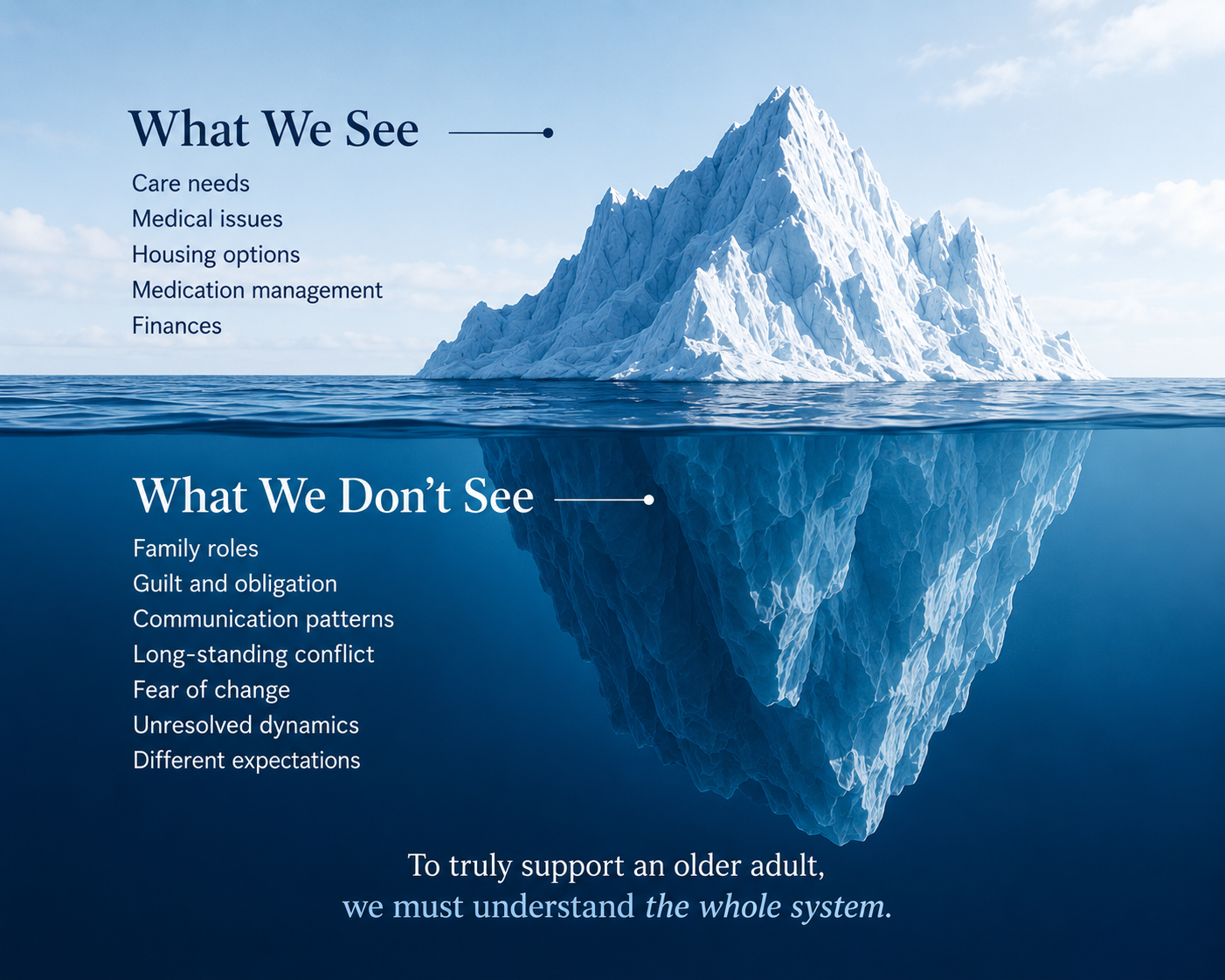
But in reality, some of the most difficult conflicts families face happen around aging and care decisions.
As someone who works with families navigating retirement living and caregiving choices, I often see how quickly good intentions can turn into confusion or disagreement, especially when conversations about aging haven’t happened ahead of time.
The good news is that a few thoughtful discussions early on can make an enormous difference, not only for families but for older adults themselves.
In many ways, these conversations become part of a person’s legacy, sharing the clarity and wisdom that helps guide the next generation when important decisions need to be made.
Maintaining Control of Your Future
Many people hesitate to talk about aging because they worry it will make them seem dependent or like a burden to their children.
In practice, the opposite is usually true.
When people share their wishes while they are still healthy and independent, they maintain far more control over how their later years unfold.
It allows them to communicate what matters most to them, things like where they would prefer to live, what independence means to them, and what kinds of support they would or wouldn’t want if their health changes.
Without those conversations, families are often left guessing.
And guessing can sometimes lead to unnecessary conflict.
Helping Your Children Help You
Adult children generally want to do the right thing for their parents.
But when families haven’t talked openly about aging, children are often left trying to interpret what their parents might want.
One child may feel it’s time to consider additional support, while another may believe their parent should remain at home for as long as possible.
These differences rarely come from a lack of love. They come from a lack of clarity.
When parents share their wishes early, it gives their children something incredibly valuable: direction.
Instead of asking, “What should we do?” families can focus on a more helpful question:
“How can we support what Mom or Dad wants?”
Planning Is Essential for Solo Seniors
Not everyone has children or close family members involved in their lives.
For solo seniors, planning becomes even more important.
Having trusted professionals, friends, or advisors who understand your wishes, and ensuring key documents and plans are in place can help ensure that your voice is respected if decisions ever need to be made on your behalf.
Planning early helps protect both independence and peace of mind.
A Legacy of Clarity
Many people assume these discussions must be serious or formal.
They don’t have to be.
Often, the most meaningful conversations happen gradually, during a walk, over coffee, or while discussing the experiences of friends going through similar situations.
The goal isn’t to solve every future decision.
It’s simply to begin sharing what matters most.
Because when families talk openly about aging before a crisis occurs, they give themselves something incredibly valuable: clarity, understanding, and the ability to move forward together.
And sometimes the most meaningful legacy isn’t something written in a will.
It’s the wisdom that helps guide the people we love through life’s next chapter.